
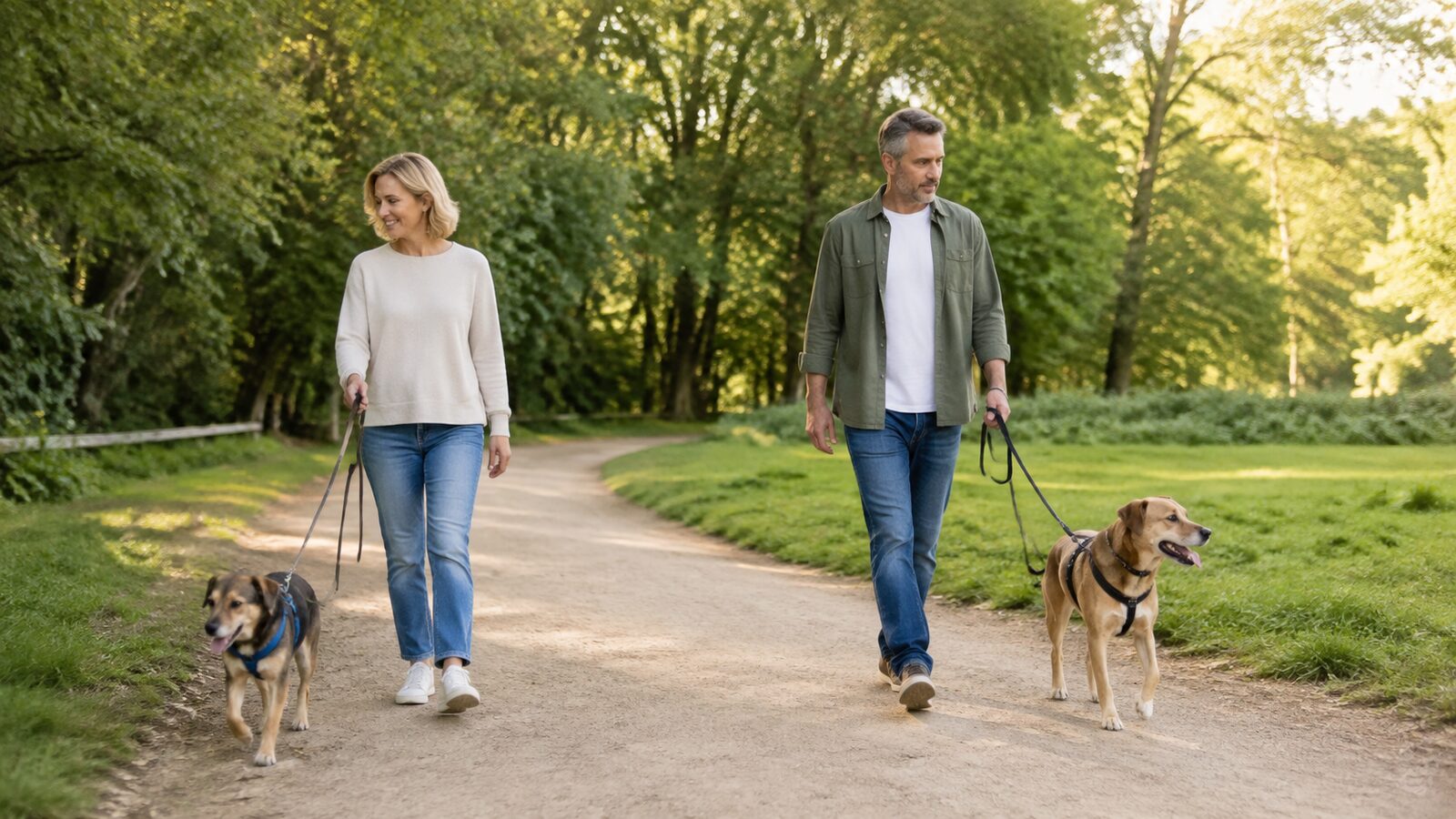
Bringing a new dog home is exciting—but it’s also a moment that sets the tone for everything that comes next. A thoughtful introduction protects both your new dog and any pets already in your home, and it gives everyone time to adjust to this big change. The first few days and weeks matter far more than most people realise.
Whether you’re adding a second dog, rescuing an anxious shelter dog, or welcoming your first pet, a slow introduction reduces stress, prevents conflict, and builds confidence in all your animals. Here’s what you need to know to make it work.
Prepare Your Home Before Arrival
The day your new dog arrives, they’re already overwhelmed. A new place, new people, new smells—it’s sensory overload. You can help by preparing a calm, contained space before they walk through the door.
Create a dedicated “base camp” in a quiet room: a bedroom, laundry room, or office works well. This is where your new dog will spend the first few days. Stock it with fresh water, a comfortable bed or crate (if they’re crate-trained), food bowls, and safe toys. Hang a “Do Not Disturb” sign on the door if you have kids or other people visiting—visitors mean stress, not just excitement.
If you have other pets, they won’t meet your new dog right away. Instead, they’ll first get to know them by smell. Leave your new dog’s blanket or toy in a common area for your existing pets to investigate. This builds familiarity without face-to-face contact, which means the first meeting is less shocking to their nervous systems.
Day One: Arrival and Settling
Your new dog should spend their first day in their base camp room, with minimal interaction. This isn’t cold—it’s kind. Dogs need time to decompress in a new environment, and quiet time helps them regulate their nervous system.
Offer food, water, and a toilet break outside (on-leash, in your garden or a quiet area—never off-leash in a new space). Let them explore their room at their own pace. You can sit quietly nearby, but don’t force interaction. Many dogs need 12 to 24 hours to show their real personality; until then, they may seem shuttered or anxious.
If your new dog seems distressed (panting, pacing, not eating), don’t panic. It’s normal. Stay calm and quiet—your energy will settle theirs. If they seem severely panicked (unable to settle, excessive panting, drooling), consult your vet to rule out medical issues.
Introducing Other Pets: The Scent Swap
If you have other dogs or cats at home, do a scent introduction before any face-to-face meeting.
For other dogs: Take a blanket or toy from your new dog’s room and place it in your existing dog’s space. Do the reverse—put something with your existing dog’s scent in your new dog’s room. This happens naturally as they start to smell each other under doors and around your home. Let this happen for at least 24 hours, ideally 2 to 3 days. You’re building familiarity through smell alone, which is how dogs “meet.”
For cats: If you have cats, this step is crucial. Cats are vulnerable, and dogs have prey drive. Keep them completely separate for several days. Use the scent swap, but also be realistic: allow your cat spaces your dog can’t access, even after introductions begin.
The First Face-to-Face Meeting
After 2 to 3 days of scent familiarisation, you can organise a supervised meeting.
Choose neutral territory if possible—a garden or hallway works better than the new dog’s room, where they might feel territorial. Both dogs should be on loose leashes (not tight; tension carries stress). If you have a helper, one person holds each leash. Keep the meeting short and low-key. The goal isn’t a playdate; it’s a calm acknowledgment.
Watch their body language carefully. Relaxed dogs have loose shoulders, soft eyes, and easy movement. Dogs that are nervous or overstimulated have stiff posture, raised hackles, or intense staring. If either dog seems uncomfortable, separate them and try again later.
Red Flags to Watch For
Not all first meetings go smoothly. Learn to spot signs of real stress: stiff body posture (rigid legs and a tense neck suggest the dog is uncomfortable, not just cautious — this often precedes conflict), intense staring or stalking (a dog that fixes their gaze on the other dog, particularly combined with slow, deliberate movement, may be showing predatory interest — separate them immediately), raised hackles along the spine (this indicates arousal and stress, even if the dog isn’t growling), a snap or bite attempt (means the introduction has gone too far — this is not typical roughhousing, it’s a sign to stop and seek professional help), and excessive fear (a dog that hides, trembles, or refuses to move is terrified — give them more time, more space, and consider calling a trainer).
If any of these happen, there’s no shame in slowing down. Some dogs need weeks to adjust, and that’s okay. The timeline doesn’t matter as much as everyone staying safe and building positive associations.
Managing Daily Life With a New Dog
Once introductions seem to be going well, don’t rush to full integration. Keep some separation for the first week or two.
Feed your dogs in separate rooms so there’s no resource guarding. Rotate which dog gets one-on-one time with you; this prevents jealousy and gives your new dog time to bond with you. Keep pathways clear so your new dog has an escape route if they feel trapped.
Your existing pet may seem fine on day one but become jealous or stressed a week later as reality sets in. This is normal. It doesn’t mean the introduction failed; it means the adjustment period is real. Stay patient and consistent.
When to Seek Help
If your new dog and existing pet are still not getting along after two weeks, if there’s been any aggression, or if either animal is showing severe stress (not eating, not playing, excessive anxiety), contact a professional dog trainer or behaviourist. This is money well spent. A trainer can assess the situation, rule out medical issues, and give you a specific plan.
Not all dogs become best friends, and that’s fine. Some dogs learn to coexist peacefully without cuddling. That’s a successful introduction.
The Bigger Picture
Bringing a new dog home is an act of care for an animal that’s experienced change and uncertainty. A slow, thoughtful introduction shows respect for both your new dog’s needs and your existing pet’s world. In a week or two, when everyone is settled and the chaos has calmed, you’ll be glad you took the time.
Your next step: stick to a consistent routine with food, walks, and playtime. Routine is what makes a dog feel secure in a new home.