
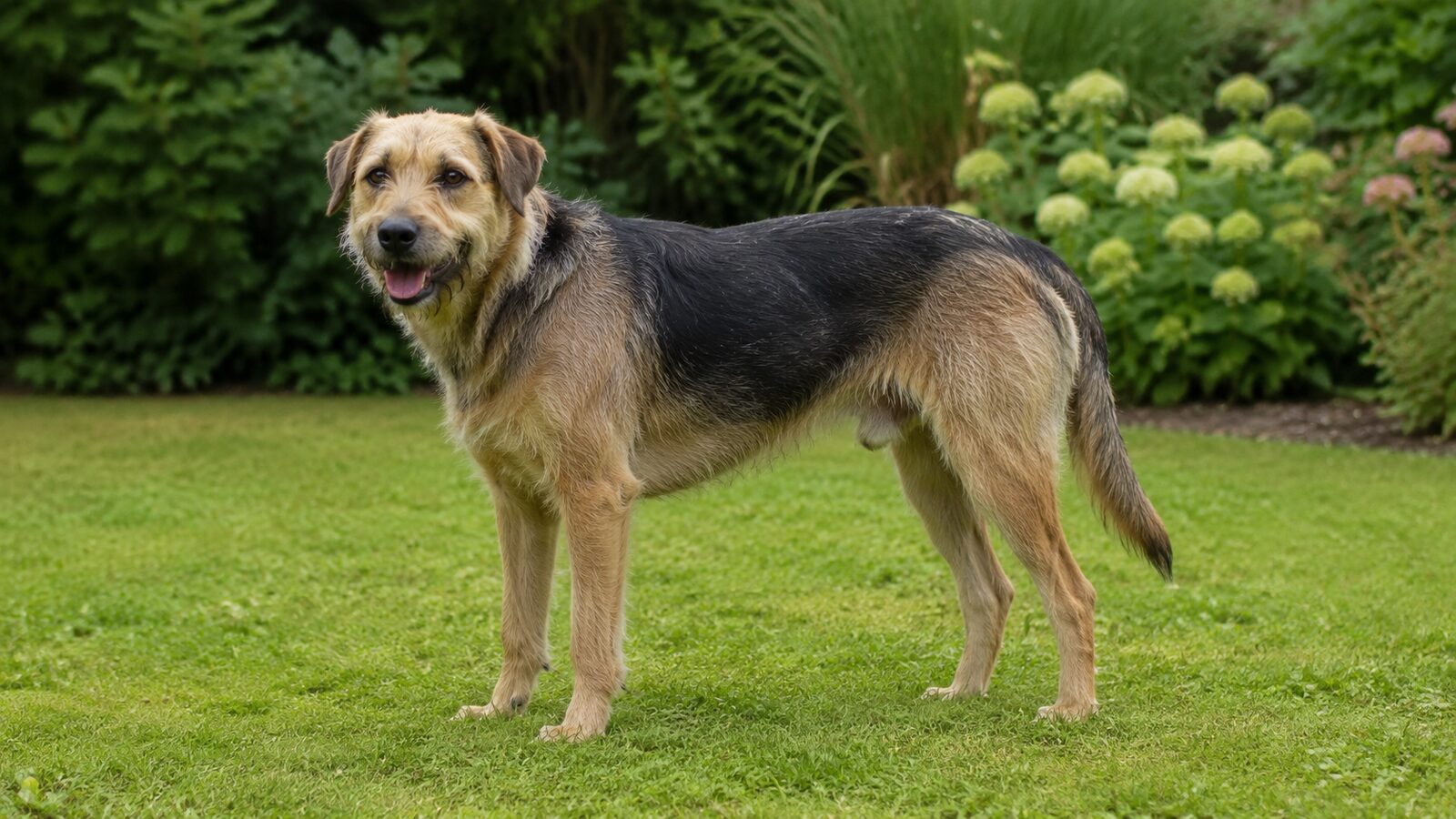
Dogs can’t use words, but they’re constantly communicating. A wagging tail doesn’t always mean happiness. Ear position, body posture, and facial expression together tell the real story of what your dog is feeling. Learning to read these signals transforms your relationship—you’ll understand your dog better, respond more thoughtfully, and spot problems before they escalate.
Most people miss what dogs are saying because we interpret dog language through human eyes. We see a wagging tail and assume all is well. We see relaxed ears and think our dog is comfortable. But dogs have a complex vocabulary of signals, and many of them contradict what we expect. Understanding canine body language is one of the most practical skills you can develop as a dog owner.
The Tail: More Than Just Happiness
A wagging tail is the most misunderstood signal in dog communication. Yes, a dog with a relaxed, mid-level tail wag is usually happy. But not always.
High, stiff wag: If the tail is raised high and wagging rigidly (not the whole rear swinging side to side), your dog is aroused and alert. This can be positive excitement, but it can also mean stress, defensiveness, or readiness for conflict. Context matters. Is your dog meeting another dog? Are they at the vet? High, stiff wags in tense situations often precede problems.
Low wag or tucked tail: A tail between the legs signals fear, submission, or anxiety. A dog tucking their tail is asking for space and reassurance. Never force interaction with a tail-tucked dog.
Slow, low wag: This is often confusion or mild discomfort, not confidence. Don’t mistake it for relaxation.
Relaxed, mid-level wag: This is the greeting wag you’re looking for—the whole rear end swings, the tail is at roughly hip height, and the dog’s body is loose. This is happy, confident communication.
Pay attention to the speed and position, not just the fact that the tail is moving. A wagging tail alone tells you very little.
Ears: Position Reveals Intent
Ear position is one of the clearest windows into your dog’s emotional state, if you know what to look for.
Forward or alert ears: Pricked forward, sometimes slightly to the sides, means your dog is interested, focused, and engaged. This is neutral to positive, but combined with other signals, it can indicate hunting focus or predatory interest. If a dog is in a play bow with forward ears, it’s playful. If a dog has forward ears and a stiff body while staring at another dog, that’s something else.
Back or pinned ears: Ears pulled back against the head signal anxiety, fear, or submission. If your dog has their ears back but they’re loose and moving, they’re likely just being cautious or polite. If the ears are pinned tightly and the rest of the body is tense, fear is the emotion. A dog with genuinely pinned ears is frightened or deferential and needs reassurance.
Half-back, half-alert ears: This is the thinking pose. Your dog is processing something—maybe you’ve asked them to sit, or they’re unsure about a new situation. They’re engaged but cautious.
Lateral rotation (to the sides): Dogs often rotate their ears independently. If they’re scanning sounds from different directions, your dog is interested in their environment. If the ears are pinned back but rotated sideways, your dog is monitoring threats—this is a sign of anxiety.
Never grab or hold your dog’s ears still. Some dogs are sensitive there, and ear position is a form of communication. Let them move freely.
Body Posture: Stiffness vs. Relaxation
The overall tension in your dog’s body tells you whether they’re comfortable or stressed.
Relaxed posture: Loose shoulders and hindquarters, soft knees, weight distributed evenly. Your dog might be sitting, lying down, or standing with an easy stance. Eyes are soft (not staring intensely). Mouth might be open, tongue slightly out. This is a dog at ease.
Stiff posture: Legs are rigid, weight shifted forward (readiness to move), shoulders high and tense. The neck may be extended as the dog reaches forward. This can indicate arousal, excitement, or conflict readiness. It’s not necessarily aggression—a very excited dog about to play might have a stiff posture—but combined with other signals, it’s a red flag.
Crouched or lowered body: Your dog is making themselves small, often with the rear end raised (play bow) or lowered (fear). A play bow is normal and fun. A fully lowered, crouched posture combined with pinned ears and tail between legs is fear.
Leaning forward: A dog leaning their weight forward is moving toward something—interest, curiosity, or potential conflict. A dog leaning back or away is retreating from something.
The Play Bow and Real Play
A true play bow looks like this: the front legs are stretched out and lowered, the rear end is raised high, and the dog often bounces or springs up and down. This is an invitation to play and a signal that whatever follows is meant to be fun, not serious.
Real play looks chaotic but contains several key elements. The dogs take turns being the “chaser” and “chasee.” If one dog is always chasing and never stopping to let the other dog chase back, it’s not balanced play—one dog may be stressed. Dogs in real play also take frequent breaks, shake off, and reset before playing again.
If you never see a play bow, and one dog always has their head over the other dog’s neck or is pinning them, those aren’t playmates having fun. That’s conflict. Separate them.
Mouth and Face Signals
A dog’s mouth and face reveal comfort level.
Soft, open mouth or “smile”: Lips relaxed, mouth open slightly, sometimes with tongue visible. This is a calm dog.
Tightly closed mouth: The lips are pressed together, sometimes trembling. This can indicate stress, discomfort, or readiness to snap. Don’t mistake a clenched mouth for calmness.
Bared teeth without snarling: This is a warning, sometimes called a “grin.” It’s a dog saying “back off.” It’s different from a relaxed open mouth because the lips are pulled back intentionally.
Yawning: Dogs yawn when they’re tired, but they also yawn when stressed. A perfectly alert dog who suddenly yawns may be processing anxiety. Context matters.
Whale eye (white of the eye showing): If you can see the whites of your dog’s eyes, especially the whites on the sides when your dog is looking forward, your dog is stressed or uncomfortable. This is a sign to give your dog space.
Common Misreadings
People often misread friendly or neutral signals as aggression, and miss real warning signs.
Stiff play: Some dogs play with very stiff, forward posture. This looks aggressive but isn’t. Watch whether the dog is taking breaks, play-bowing, and alternating roles. If yes, they’re playing.
Tail between legs during excitement: A very excited rescue dog sometimes tucks their tail despite having a relaxed body and open mouth. This isn’t pure fear; it’s mixed emotions. The dog is excited but also uncertain. This usually resolves with time and confidence-building.
Sniffing or checking out another dog: A dog that approaches slowly and sniffs another dog’s rear end is greeting politely. This is normal and fine, not a sign of aggression.
Stiff approach after a calm start: If a dog starts calm but then stiffens, slows down, and fixes their gaze as they get closer to another dog, the mood has shifted. Separate them. Something changed in the first dog’s intent.
Putting It Together
Reading canine body language means looking at the whole picture: tail + ears + body posture + mouth + movement. A stiff body with forward ears and a low, slow tail wag in the presence of another dog is very different from a loose body with back ears and a relaxed tail wag.
Pay special attention to signals that say your dog is uncomfortable: ears back, tail tucked, stiff body, whale eye, yawning, or attempts to move away. These are your dog asking for help. Respond by creating distance and removing them from the stressor.
Learn to spot the signals your own dog uses when they’re relaxed and when they’re stressed. Every dog is individual. Some have big, obvious signals. Others are subtle. The better you know your dog, the faster you’ll notice when something is off.
Your next step: spend a few minutes each day watching your dog’s body language in different situations. Start to notice patterns. When your dog meets a friend, what do they look like? When they’re unsure about something, what changes? The more you observe, the more fluent you’ll become in dog language. And when you truly understand what your dog is saying, you can respond with real care.