-
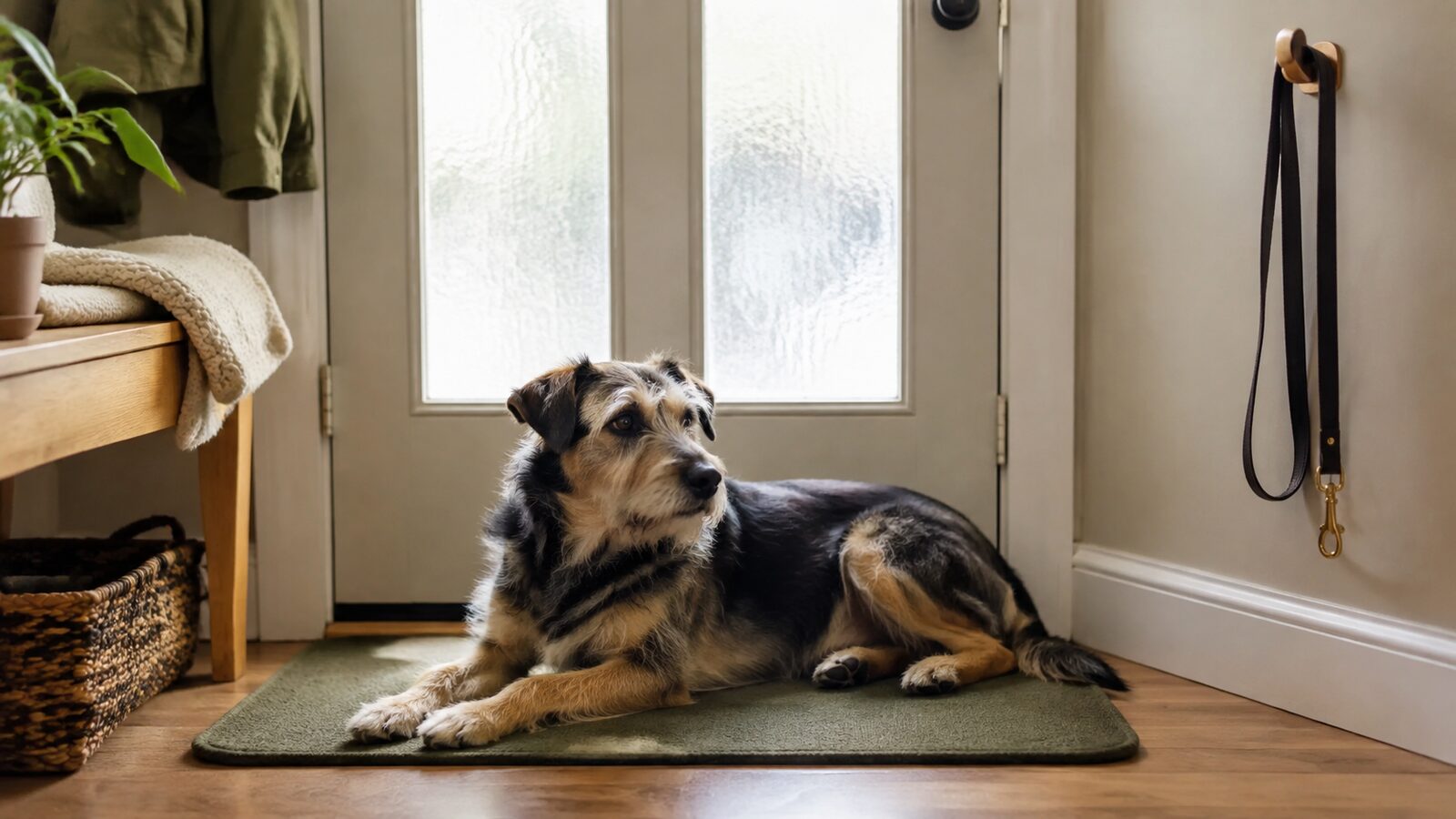
Separation anxiety is panic, not naughtiness. Learn the gradual approach to helping your dog cope calmly with being left alone.
-
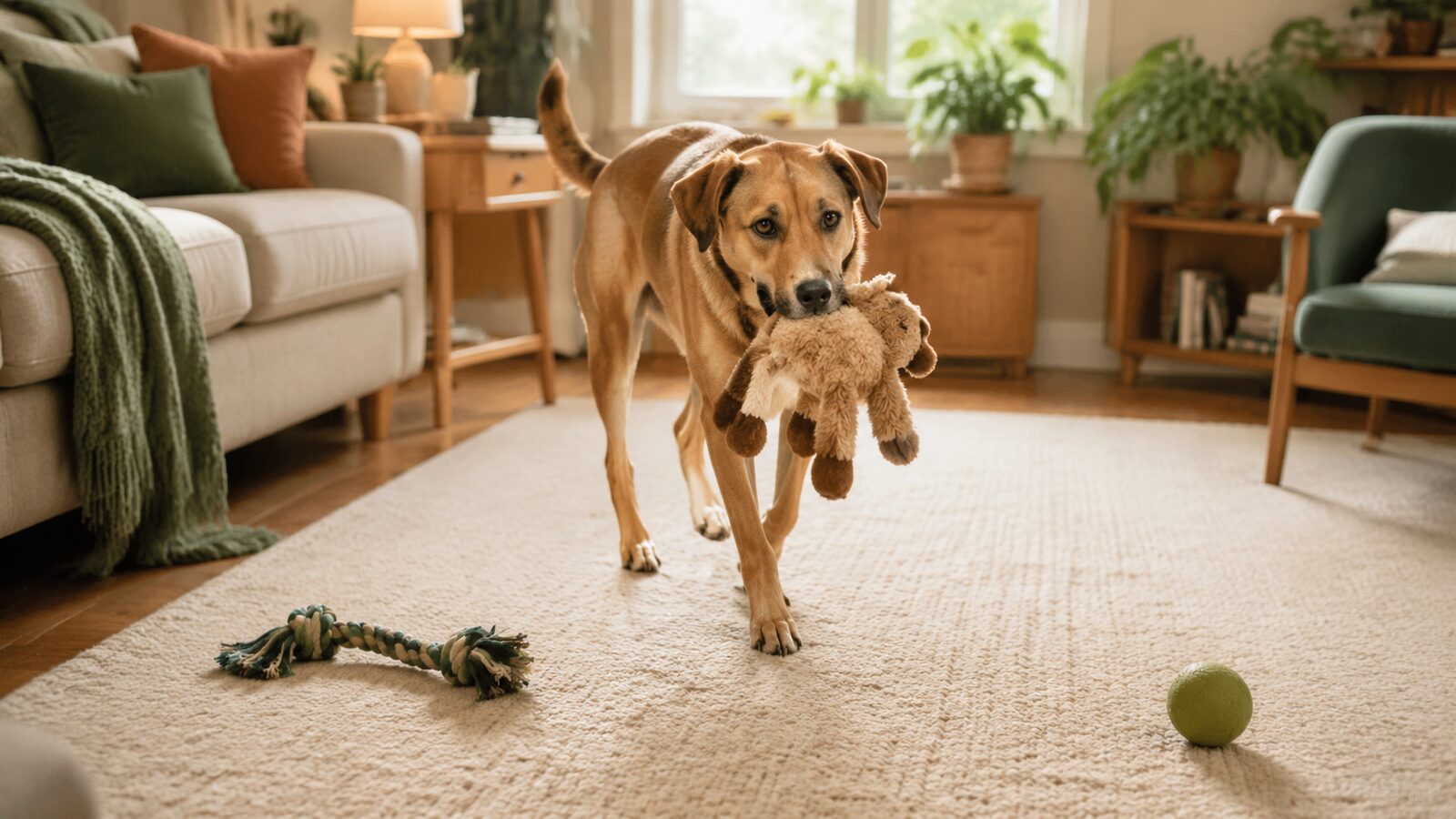
Match the toy to how your dog plays — shredder, chewer, fetcher or tugger — with guidance on buying for size and safety first.
-
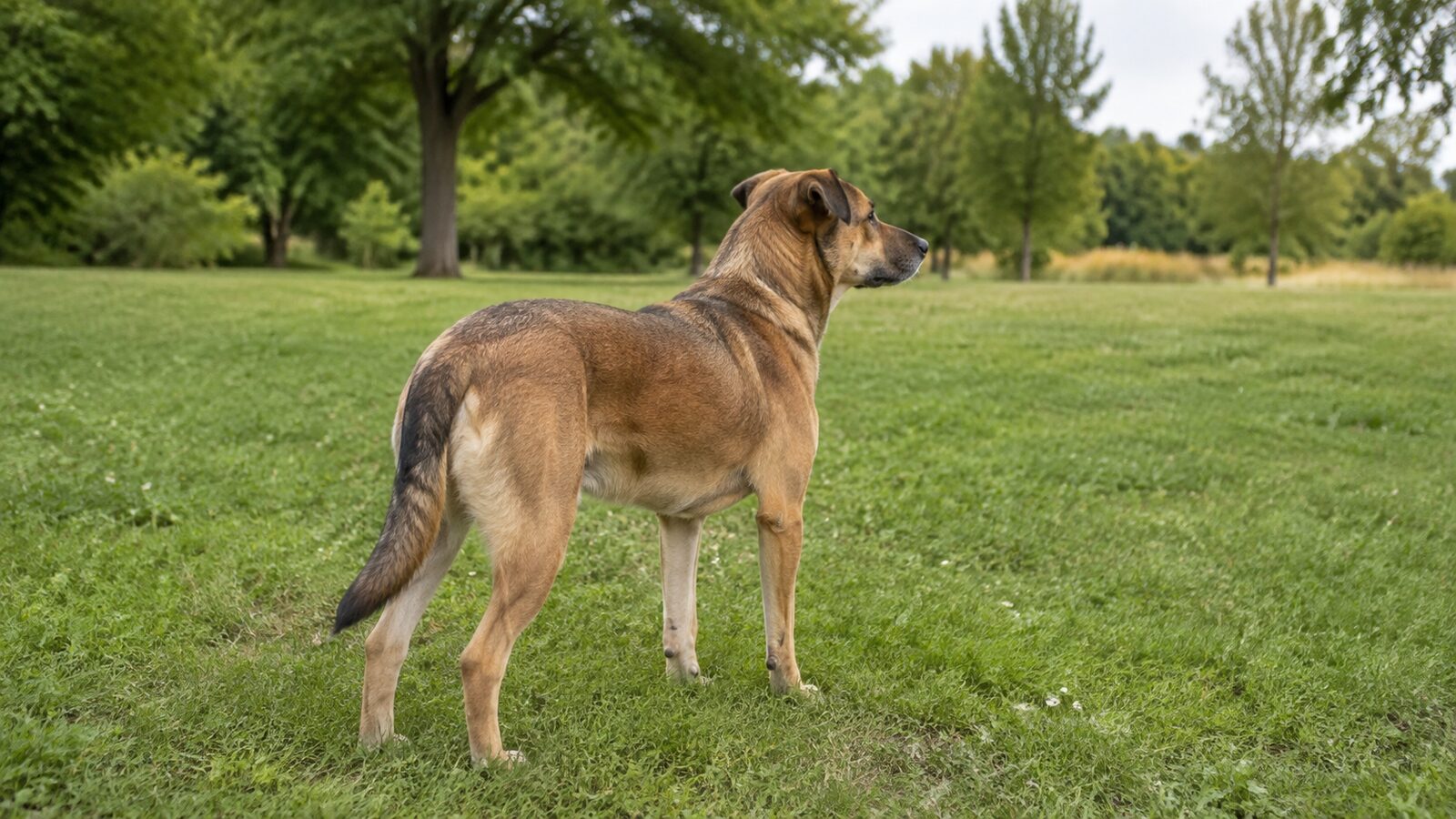
A wagging tail isn’t always happiness. Learn to read tail height, speed and stiffness to understand what your dog’s tail is really telling you.
-
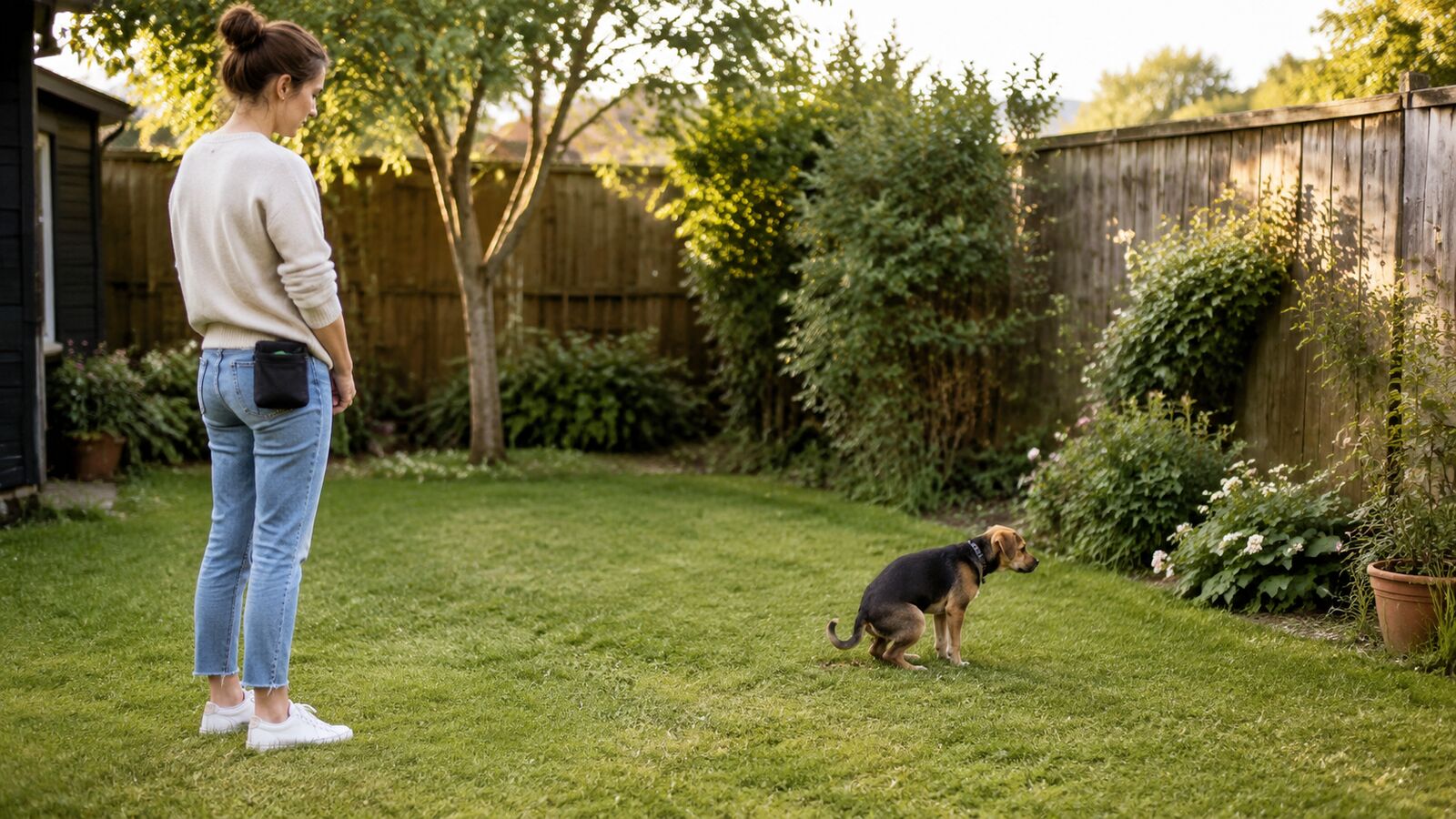
A week-by-week house-training plan: consistent timing, going outside with your puppy, and rewarding the moment they finish, for faster, calmer progress.
-
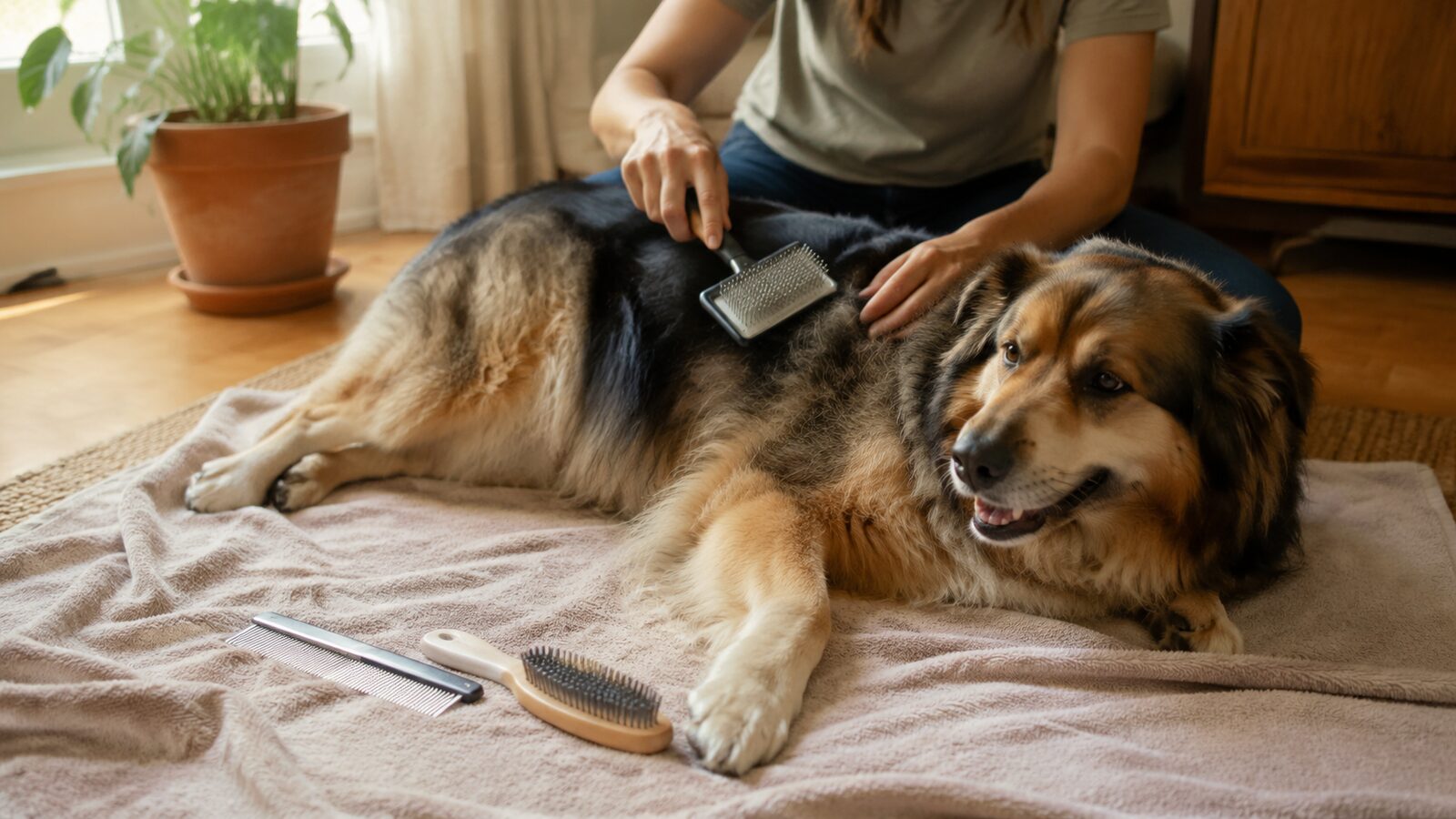
Grooming routines differ by coat type: smooth, double, wire, curly or long silky. Match your home grooming routine to your dog’s actual coat.
-
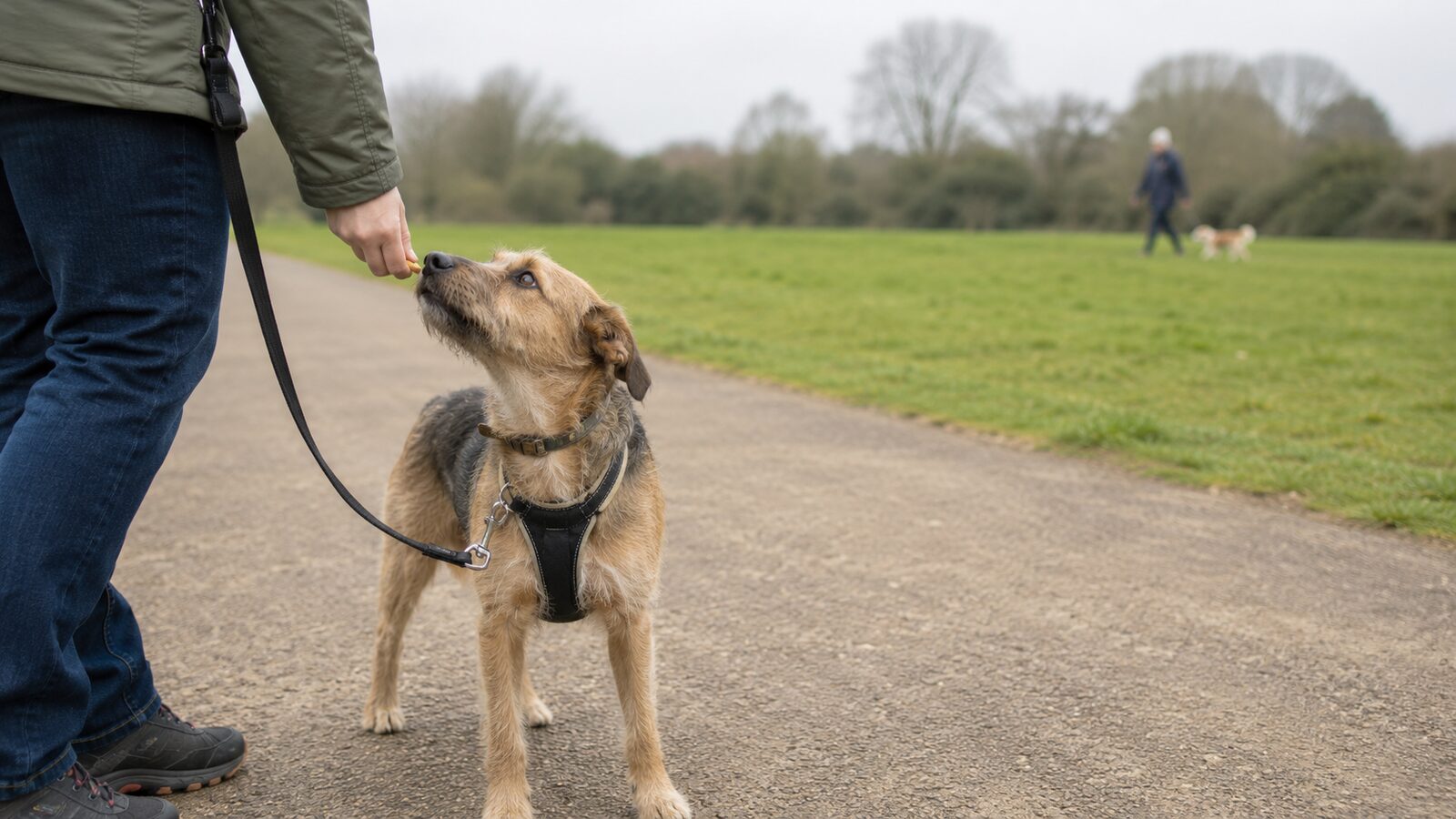
Barking and lunging on the lead is usually a dog asking for distance, not picking a fight. Understand reactive dog behaviour and how to manage it calmly.
-
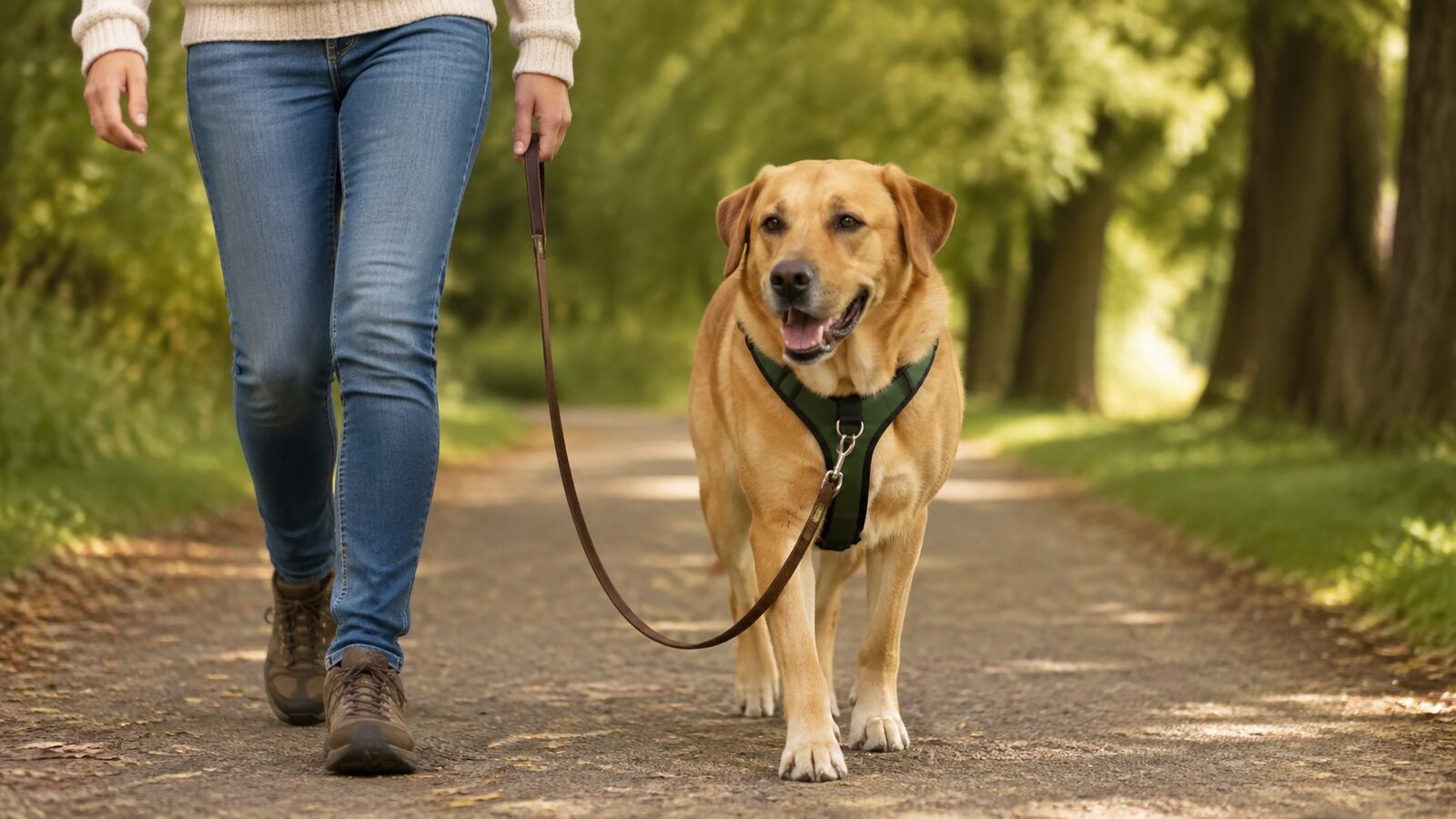
Stop lead-pulling with the right harness, a fixed-length lead, and rewarding your dog for walking beside you. A practical guide to loose-lead walking.
-
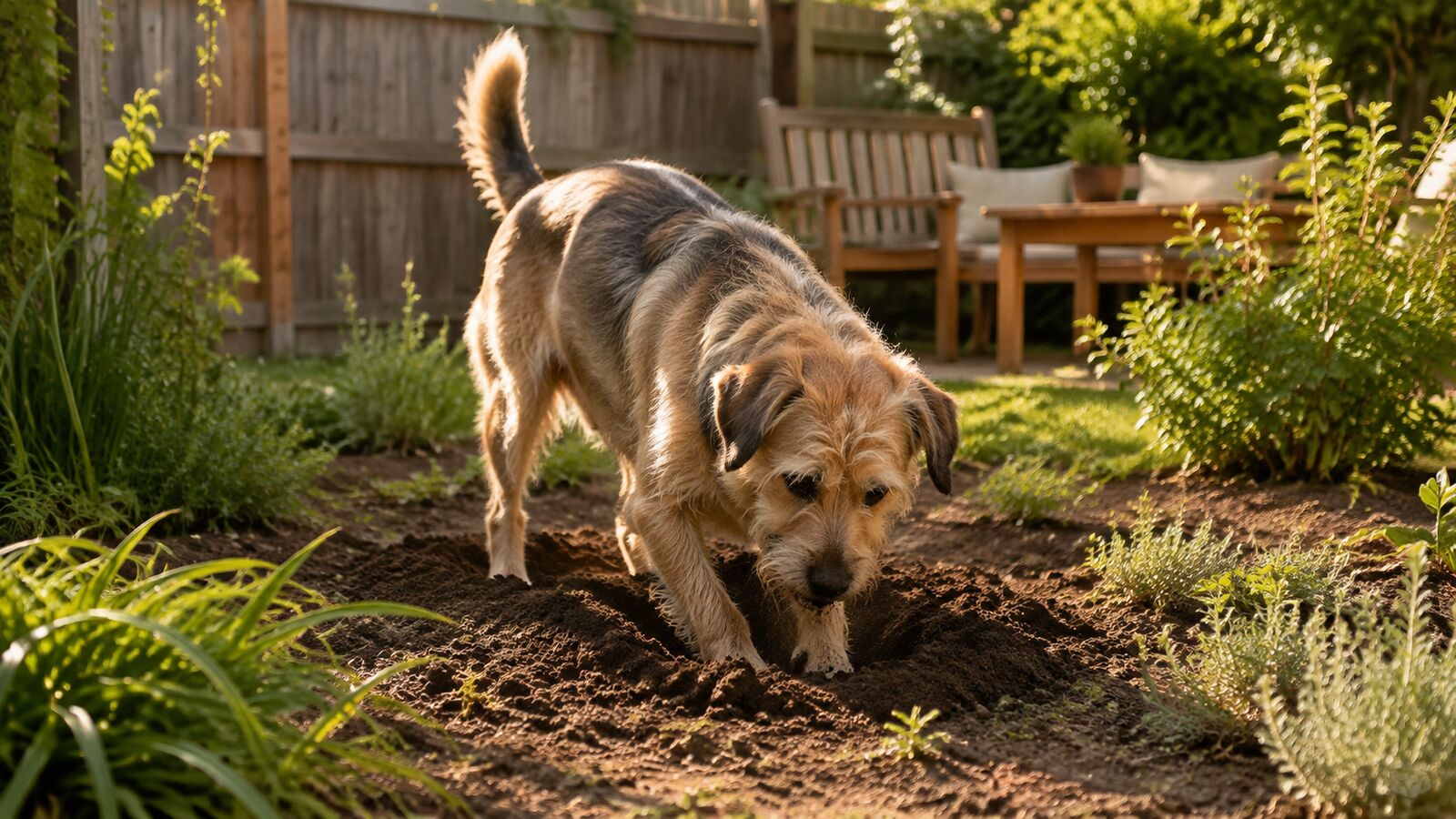
Dog behaviour comes down to instinct, past rewards, emotion, physical state and environment. A plain-English guide to why your dog does what it does.
-
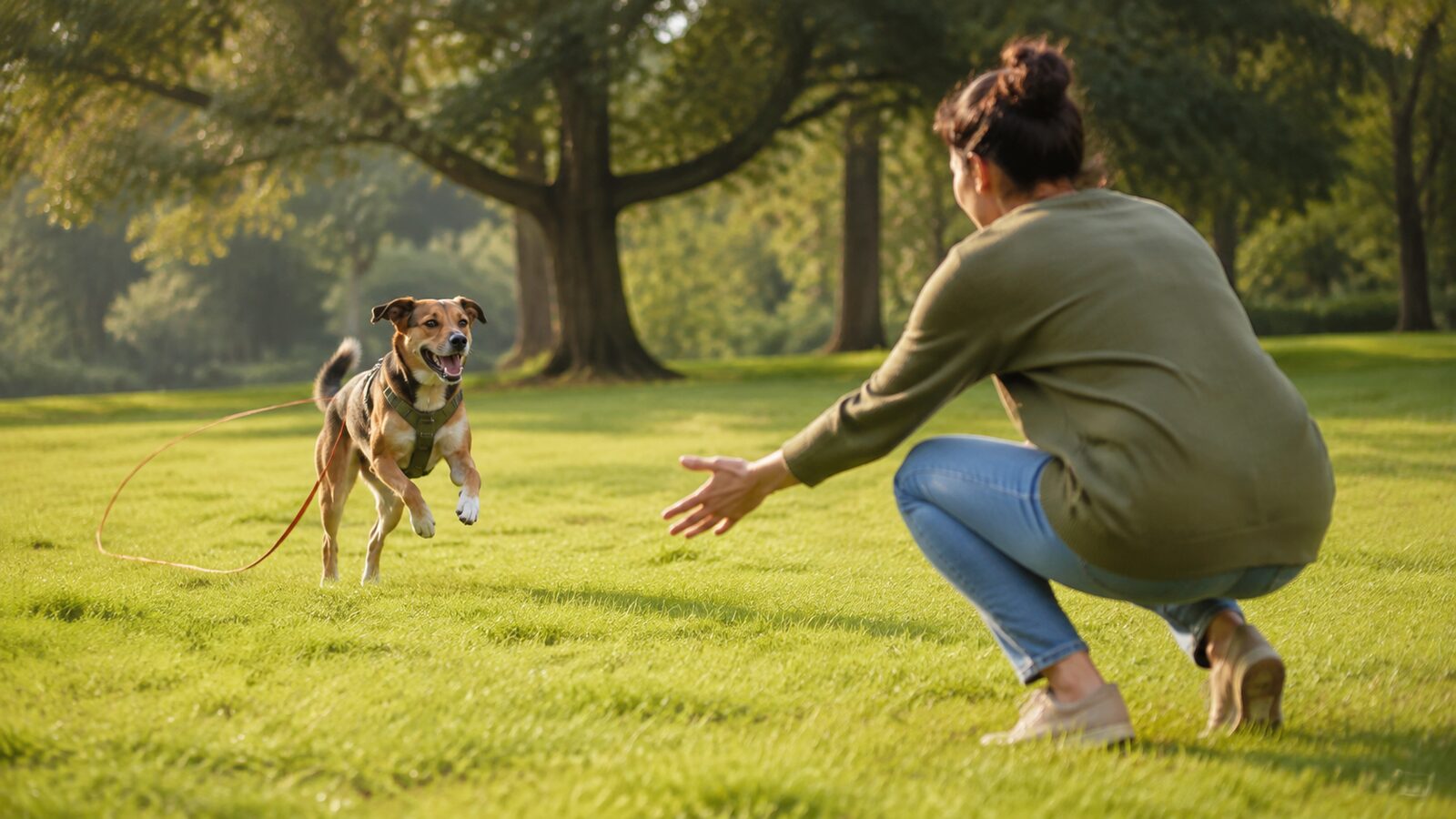
Recall breaks down when the cue stops meaning something good. Build a reliable recall with a fresh cue, high-value rewards and long-line practice.
-
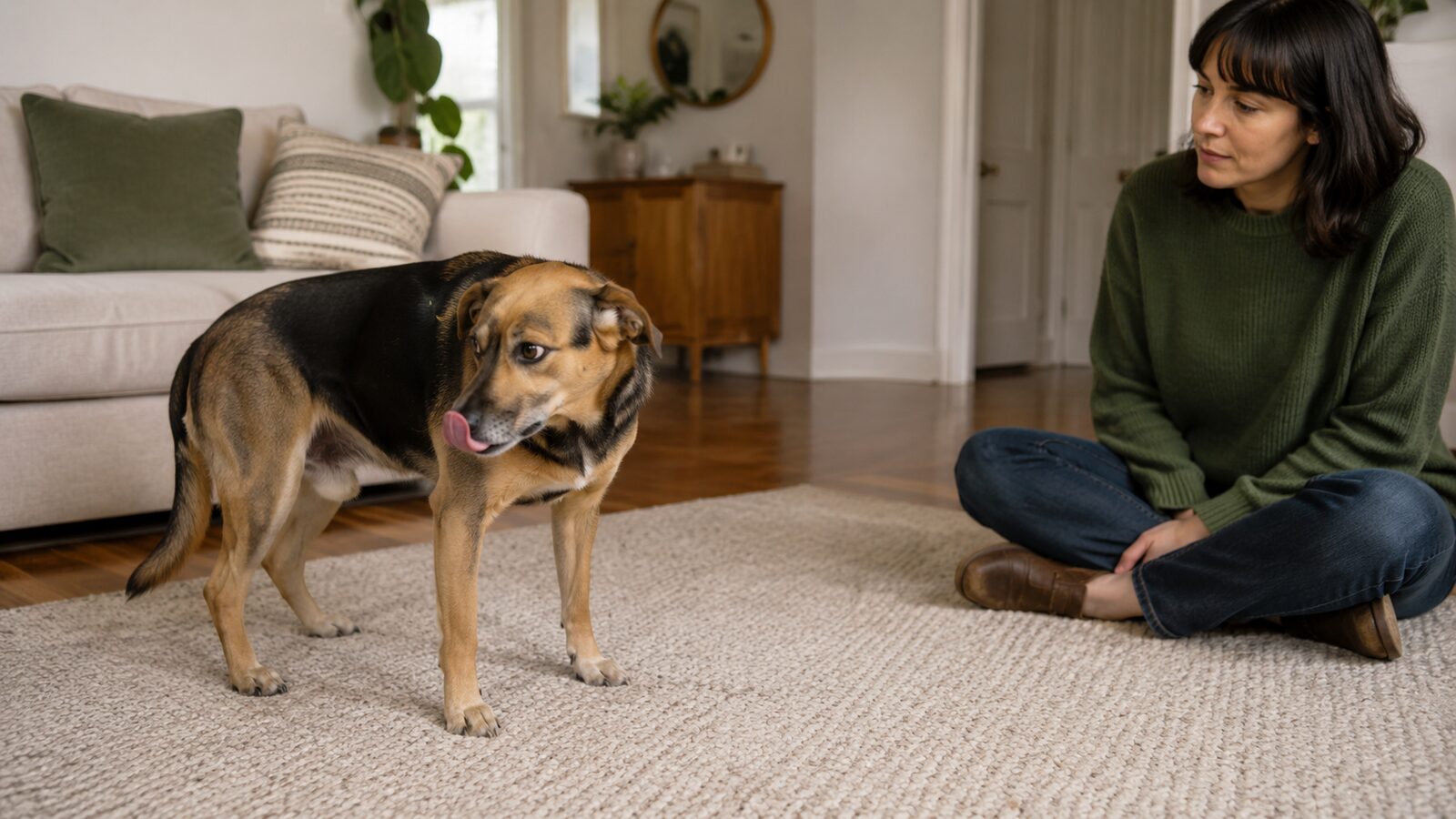
Most stressed dogs never growl. Lip licking, yawning, head turns and stillness are calming signals most owners miss — learn to spot them early.