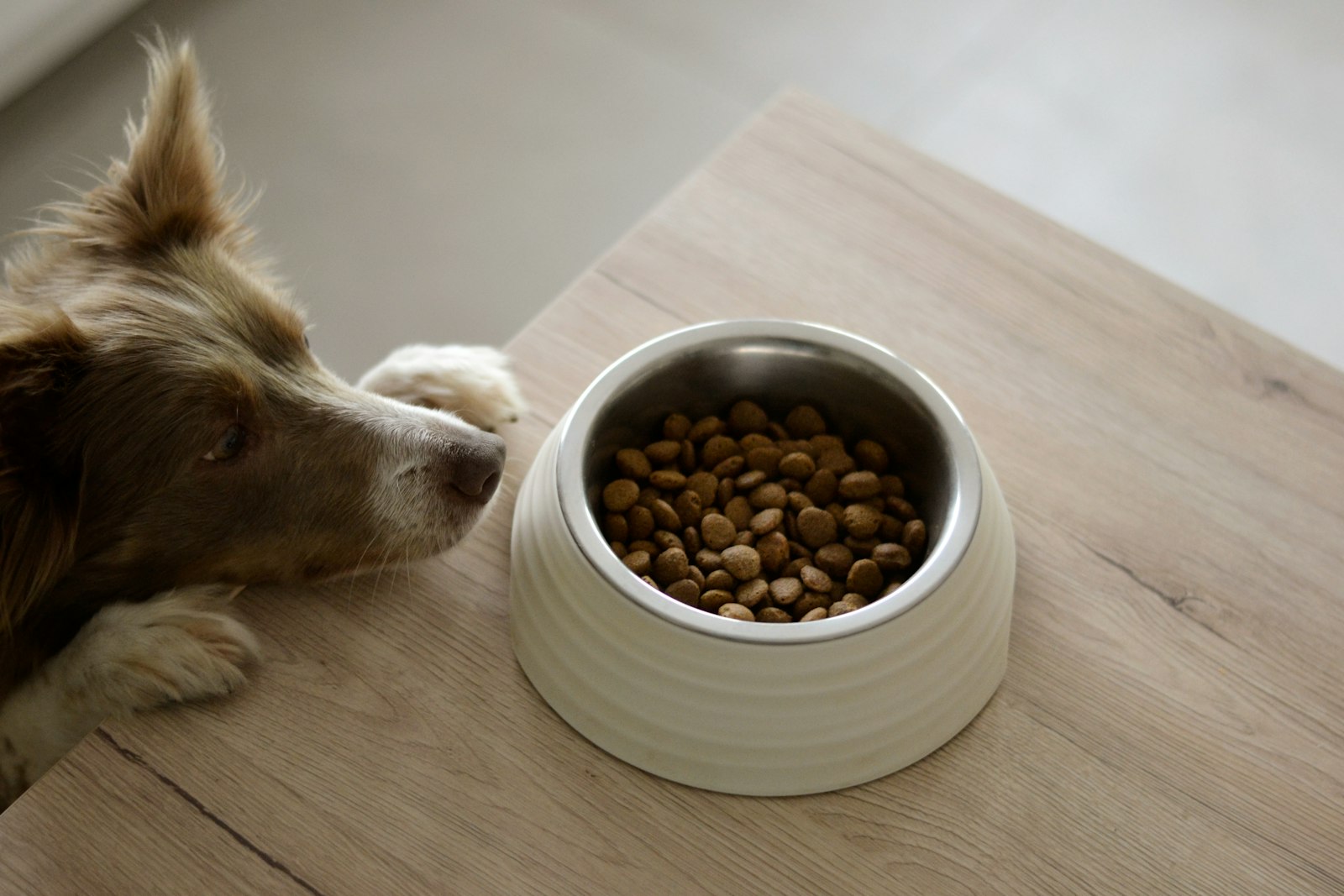
Most dogs keep a healthy gut through steady routines, not special products: a complete diet that suits their life stage, measured portions, few treats and scraps, fresh water, slow food changes and plenty of exercise. Normal is well-formed stools, a steady appetite, a stable weight and good energy. Diarrhoea lasting more than a day, blood in the stool, repeated vomiting or a dog that seems unwell are reasons to call your vet.
This guide explains how digestion works in dogs, what normal and abnormal look like, which signs need a vet and how urgently, how to change foods safely, what is known about fibre, probiotics and grain-free diets, and the everyday habits and mistakes that make the biggest difference.
At a glance
- Routine matters most: regular meals, measured portions and treats kept small.
- Change food gradually over at least a week, and up to two weeks for sensitive dogs.
- Know the urgent signs: blood, repeated vomiting, a swollen belly, retching without bringing anything up, or a lethargic dog.
- Diarrhoea for more than 24 hours, or any diarrhoea in a puppy, old dog or unwell dog, needs veterinary advice.
- Supplements are not a fix-all. Probiotics help some dogs; ask your vet which, if any, suits yours.
How a dog’s digestive system works
Dogs belong to the order Carnivora, but domestic dogs digest a mixed diet well, including some starches, which is why complete dog foods contain both animal and plant ingredients. Digestion starts in the mouth, though most dogs chew little and swallow quickly. The stomach is strongly acidic and breaks food down further. Most nutrients are absorbed in the small intestine, and the large intestine (colon) absorbs water and minerals before waste is passed.
The gut is also home to a large community of bacteria and other microbes, often called the microbiome. These microbes help break down fibre, produce some useful compounds and interact closely with the immune system, a large part of which is associated with the gut. Antibiotics, sudden diet changes, illness and stress can all upset this balance, which is one reason a tummy upset often follows them.
What healthy digestion looks like
- Stools that are formed, easy to pick up and similar in colour and amount from day to day.
- A steady appetite and interest in food.
- A stable weight and body condition.
- Normal energy and a glossy coat.
- Occasional wind or a one-off soft stool after a new treat is common and usually not a concern on its own.
Getting to know your dog’s normal makes changes easier to spot.
Signs of digestive trouble and how urgent they are
| Sign | How urgent | What to do |
|---|---|---|
| Swollen, tight belly with restlessness or retching that brings nothing up | Emergency | Go to a vet immediately; this can signal bloat (gastric dilatation-volvulus), which is life-threatening |
| Known or suspected swallowing of a toxin, bone, corn cob, toy or other object | Emergency | Contact a vet straight away; do not make your dog vomit unless told to |
| Blood in vomit or stool, black tarry stools, or a dog that is weak or collapsing | Urgent, same day | Call your vet now |
| Repeated vomiting, or vomiting with diarrhoea | Urgent, same day | Call your vet, especially for puppies, older dogs or dogs with health conditions |
| Diarrhoea lasting more than 24 hours, or diarrhoea in a puppy | Prompt | Contact your vet for advice |
| Straining with little or nothing passed | Prompt | Contact your vet; straining can also signal a urinary problem |
| Ongoing soft stools, frequent wind, weight loss or poor coat | Book an appointment | See your vet and bring a diary of food, treats and stools |
The UK veterinary charity PDSA advises contacting a vet if diarrhoea lasts more than 24 hours, if there is blood or mucus, if your dog is vomiting, off their food or lethargic, or if your dog is very young, old or has an existing health condition. The guide on when to call the vet covers other warning signs. Never give human anti-diarrhoea or stomach medicines without veterinary advice.
Nutrition and digestion
Choose a complete diet for the life stage
A complete and balanced food made for your dog’s life stage is the foundation. The WSAVA Global Nutrition Guidelines encourage owners to look beyond ingredient lists and marketing to who formulates the food, how it is tested and its quality control. The guide to what to feed your dog walks through food types, and how to read a dog food label explains the terms that matter.
Digestibility matters more than buzzwords
How well a dog can digest and absorb a food matters more than whether the label uses words like natural, holistic or human-grade. Ingredient names alone do not tell you this. Signs that a food suits your dog include good stools, a stable weight and a healthy coat over a few months.
Fibre: balance, not maximum
Fibre helps form stools and feeds beneficial gut bacteria, but more is not always better. Some dogs do well on added fibre and others get more wind or bulkier stools. If your vet suggests changing fibre, for example with a veterinary diet, follow their plan rather than adding ingredients yourself.
Food sensitivities and allergies
Some dogs react to particular ingredients, with signs that can include digestive upsets, itchy skin or both. Proteins such as beef, chicken and dairy, and wheat, are among the ingredients most often reported in dogs with food allergies. The only reliable way to identify a food trigger is a strict elimination diet trial guided by your vet, usually lasting several weeks. Blood and hair tests sold to owners are not considered reliable for diagnosing food allergy. The guide to dog allergies, itching and paw licking covers the skin side of this.
How to change your dog’s food safely
Sudden diet changes are one of the most common causes of a short-lived upset. Unless your vet tells you to switch immediately, change gradually:
- Days 1 to 3: mostly the old food with a small amount of the new mixed in.
- Days 4 to 6: about half and half.
- Days 7 to 9: mostly the new food with a little of the old.
- Day 10 onwards: the new food only, if stools have stayed normal.
- If stools soften, go back to the last mix that suited your dog and hold there for a few days before moving on.
For dogs with sensitive stomachs or fussy appetites, PDSA describes a slower switch of around two weeks. Count new chews and treats as new food too, and introduce one change at a time so you can tell what caused any upset.
Probiotics, prebiotics and home additions
Probiotics are live microbes intended to benefit the gut. Research in dogs is growing, and some products have been studied for particular situations, such as some kinds of diarrhoea, but effects differ between strains and products, and quality varies. They may help some dogs but not others. Ask your vet whether a product suits your dog rather than relying on packaging claims.
Prebiotics are fibres that feed beneficial bacteria; some dog foods already include them. Some owners add small amounts of plain cooked pumpkin, but home additions can unbalance a complete diet and are not a substitute for veterinary advice when something is wrong. Dairy foods such as yoghurt can upset dogs that do not digest lactose well.
What about grain-free diets?
Most dogs digest grains well, and true grain allergies are uncommon. In July 2018 the US Food and Drug Administration (FDA) began investigating reports of dilated cardiomyopathy, a heart muscle disease, in dogs eating certain diets, many labelled grain-free and high in peas, lentils, other pulses or potatoes. Its latest update, in December 2022, said report counts alone do not establish that any product caused the disease and that it would share further updates only when there is meaningful new scientific information. Because the question is not settled, talk to your vet before choosing a diet for what it leaves out.
Everyday habits checklist
- Feed at regular times; most adult dogs do well on two measured meals a day.
- Weigh or measure portions and adjust to body condition, not just the pack guide.
- Keep treats small; a widely used veterinary rule of thumb is that they should make up no more than about 10 per cent of daily calories.
- Slow down fast eaters with puzzle feeders or scatter feeding; see how to choose a puzzle feeder.
- Provide fresh water at all times.
- Keep bins, compost and table scraps out of reach. Grapes and raisins, chocolate, onions and garlic, and the sweetener xylitol are among foods that are toxic to dogs.
- Choose chews that cannot be swallowed whole, never give cooked bones, and supervise chewing; see choosing safe dog chews.
- Keep up the parasite control your vet recommends.
- Give regular exercise and keep life predictable, as stress can upset digestion; see signs of stress in dogs.
Keep a simple digestion diary
If your dog has repeated tummy trouble, a short daily note is far more useful to your vet than memory. Record meals and treats with times, any chews, stool quality, vomiting, appetite, energy, and anything unusual such as a stressful day or a new walking route. Over two or three weeks, patterns often become clear. A photo of an unusual stool can help too.
Life stages
Puppies need a complete growth diet in several small meals a day, and diarrhoea in a puppy should always be checked promptly because they can dehydrate quickly. Older dogs may need diet adjustments as their appetite, weight, teeth and organ function change; the guide to caring for a senior dog covers this, and regular check-ups help catch changes early.
Common mistakes
- Switching foods again and again in search of the perfect one, which keeps the gut unsettled.
- Too many treats and scraps, a frequent cause of soft stools and weight gain.
- Waiting too long with a puppy, an older dog or a dog that is also vomiting or lethargic.
- Giving human medicines for an upset stomach without veterinary advice.
- Relying on online allergy tests instead of a vet-guided elimination trial.
- Exercising hard straight after a big meal, particularly for large, deep-chested dogs; many vets suggest a rest period around meals.
- Assuming grass eating means illness. Many dogs eat grass regularly without being unwell, although frantic grass eating with other signs is worth mentioning to your vet.
Many tummy upsets start with shared snacks, so it is worth knowing how dogs cope with milk and other human foods.
Related guide: Dog Diarrhoea: How to Know When It’s Serious and Act Right.
Related guide: Why Do Dogs Eat Grass? The Simple Truth and When to Worry.
Sources this guide draws on: PDSA guidance on diarrhoea in dogs and on changing a dog’s food; the WSAVA Global Nutrition Guidelines; the US Food and Drug Administration’s updates on its investigation into diet and canine dilated cardiomyopathy; general veterinary guidance on food allergy diagnosis and canine toxins.
Handy gear for this guide
Practical picks we think suit this topic. As an Amazon Associate, Mind A Dog earns from qualifying purchases, at no extra cost to you. Prices and availability are set by Amazon and may vary by country.
- KONG Classic Stuffable Dog Toy (Medium)
Natural rubber toy you can fill with food and freeze for a long, settled chew.
View on Amazon - Outward Hound Nina Ottosson Dog Brick Puzzle
A level 2 treat puzzle that keeps a busy mind occupied indoors.
View on Amazon - LUKITO Lick Mat for Dogs (2 Pack)
Spread a little dog-safe food over it for a quiet licking activity.
View on Amazon
Frequently asked questions
How can I tell if my dog’s gut is healthy?
Formed, consistent stools, a steady appetite, a stable weight, normal energy and a healthy coat are good signs. Occasional minor changes after a new treat are common. Ongoing changes are worth discussing with your vet.
When should I worry about my dog’s diarrhoea?
Contact your vet if it lasts more than 24 hours, contains blood or mucus, comes with vomiting, lethargy or not eating, or if your dog is a puppy, elderly or has a health condition. A swollen belly or retching without bringing anything up is an emergency.
How long should it take to switch dog food?
At least a week for most dogs, and around two weeks for dogs with sensitive stomachs. Go back a step if stools soften. Only switch suddenly if your vet advises it.
Should I give my dog probiotics?
Some dogs benefit, particularly in certain situations your vet may identify, but results vary between products and strains. Ask your vet whether a probiotic suits your dog and which one to use.
Is grain-free food better for sensitive stomachs?
Not necessarily. Most dogs digest grains well, and the FDA has investigated a possible link between some grain-free diets and heart disease without reaching a final conclusion. A vet-guided diet trial is a better way to work out what suits your dog.
Why does my dog eat grass?
Many healthy dogs eat grass, and the reasons are not fully understood. Occasional grass eating is common. If it is sudden and frantic, or comes with vomiting, diarrhoea or other changes, mention it to your vet.
Good digestion is mostly quiet, steady routine. Feed well, change slowly, watch for the signs that matter, and bring your vet in early when something does not look right.
This article is educational and is not veterinary advice. It is not intended to diagnose any condition. Talk to your veterinarian about your own dog. The only affiliate links in this article are to the gear listed near the end.